No receipt, login, contract, address, or private file is needed.
Some links may be affiliate or sponsored links. If you buy through them, Quiet Buyer Lab may earn a commission at no extra cost to you.
Consumer purchase desk
Check fit, hidden costs, and return risk before you buy.
Quiet Buyer Lab helps shoppers pause before practical purchases: docks, keyboards, mice, air purifiers, backup tools, desk upgrades, and small subscriptions. Request a $9 audit link when fit, accessories, setup time, or return windows could change the buy.
Good fitCompatibility, accessories, setup time, or return terms are unclear.
Skip itThe item is cheap, returns are free, and fit is already confirmed.
Enough to sendProduct URL, current price, deadline, and the exact buying question.
Try whenA wrong cable, filter, app tier, or return label may cost more than $9.
ReceiveFilled table plus memo with one proof to check before checkout.
Leave withBuy, pause, compare cheaper, or skip because the purchase is obvious.
Proof before paymentScope, filled sample, and public-safe handoff are visible before private information.
Audit receipt diagram
One $9 audit turns four public details into a checkout call.
This is the product in miniature: a public-safe input, a risk table, and one decision sentence the buyer can use before the cart wins.
Accessory, setup, filter, shipping, and renewal traps are separated.
The audit names the proof that would change buy, pause, or compare.
The next action is clear before checkout momentum takes over.
QuestionWill this USB-C dock power the laptop and HDMI monitor without extra parts?
FlagThe $89 cart may become about $126 after charger, HDMI cable, and return friction.
CallPause until 100W power delivery and free-return terms are confirmed.
Decision map
Use the paid audit only when it can change the purchase.
Choose the $9 audit when one unknown can change the buy, inspect the sample when you need proof of output density, or use a free/custom route when the fixed pack is not the fit.
Use this when compatibility, accessory count, setup time, first-year cost, or return friction could change the checkout decision.
Paid audit linkUse this when the buyer wants to see the table, memo, and public-safe boundary before sending product context.
Sample firstUse this when the purchase is already safe, the product does not match the fixed pack, or a public-safe custom request is better.
Free/custom
InputsProduct URL, price, deadline, and the buying question.
OutputBuy, pause, compare cheaper, or skip the paid path.
BoundaryNo private files, receipt uploads, account access, or outcome promises.
Send product names, public URLs, deadlines, and the buying question. Keep receipts, accounts, contracts, and customer data out.
The request confirms whether the small pack is right before any checkout link or delivery path is returned.
The output names what would change the purchase and the one check to make before checkout.
The work improves questions and decision clarity. It does not sell rankings, traffic, leads, savings, or vendor performance.
Audit shift visual
The service is not more research. It turns a messy cart into a checkout decision.
A buyer should understand the transformation before paying: public context goes in, hidden purchase risk gets named, and the output ends in buy, pause, compare cheaper, or skip.
- Sticker price hides cables, filters, return fees, or renewal terms.
- Reviews answer different questions than the buyer actually has.
- The decision feels small, but one missed detail can cost more than $9.
Public input
URL + price + deadline + question
No receipts, accounts, contracts, or private files.
- Compatibility, hidden cost, return risk, and cheaper alternatives are separated.
- The memo names the condition that would change the purchase.
- The buyer leaves ready to buy, pause, compare cheaper, or skip the audit next time.
InputUSB-C dock URL, $89 price, Friday return window, compatibility question.
Check100W power delivery, HDMI cable, first-year cost, and free-return proof.
DecisionPause until power delivery and free returns are confirmed; compare one cheaper dock.
Where it helps
Three ordinary purchases where one missing answer can cost more than the audit.
These are not extra products to browse. They show the kind of uncertainty that makes a small audit useful before checkout.
Hidden question100W charger, HDMI cable, and return shipping can turn an $89 cart into about $126.
Audit changesPause until power delivery and free-return terms are confirmed.
Hidden questionRoom size, filter cycle, noise level, and return friction can outweigh the discount.
Audit changesCompare first-year filter cost before the low sticker price wins.
Hidden questionExport limits, cancellation terms, app tiers, and year-two pricing change the real cost.
Audit changesBuy only if the exit path and renewal price are acceptable.
How the $9 audit works
Three steps turn a product link into a buy, pause, or cheaper-alternative call.
Use it when a small purchase has enough uncertainty that one missed accessory, setup gap, return fee, or recurring-cost surprise could cost more than the audit.
Product linkURL, price, deadline, exact buying question.
Audit tableFit, hidden cost, setup friction, return risk.
Decision callBuy, pause, or compare a cheaper alternative.
Shareable memoOne note for checkout, family, or team review.
Product URL, current price, buying deadline, and the exact question. No receipts, accounts, contracts, or private data.
Fit, hidden cost, setup friction, return-window risk, and cheaper alternatives are compressed into one table.
The result is a shareable buy, pause, or compare-again note you can use before checkout.
BuyFit is confirmed, total cost is known, and the return window is acceptable.
PauseA missing cable, setup gap, fee, noise risk, or return condition needs one more check.
Compare cheaperA lower-cost option covers the real need without the same accessory or renewal drag.
Before audit
Open questions are scattered across tabs.- Does it fit the setup I already own?
- Which cable, filter, app tier, or return fee changes the real price?
- What would make me regret the purchase after delivery?
After audit
The decision evidence is compressed into one check.- Compatibility and total-cost risks are named.
- One missing proof item is separated from nice-to-have research.
- The output ends in buy, pause, or compare cheaper.
Buyer takeaway
A small purchase gets a reusable decision memo.- Use it before checkout, a family note, or a team thread.
- No account access, receipt upload, or private files are needed.
- The memo says what to verify next, not what outcome is guaranteed.
Artifact anatomy
A $9 request turns one messy purchase into one inspectable table and memo.
The buyer should see what the paid audit produces before asking for the link: a small set of public inputs, a filled risk table, and a memo that ends in buy, pause, or compare cheaper.
Product URLUSB-C dock product page, public specs, and current cart price.
DeadlineFriday return window and whether the purchase has to happen this week.
Buyer questionWill this charge the laptop, run the HDMI monitor, and avoid surprise cables?
CheckSignalDecision use
FitNeeds 100W PD proofPause until confirmed
Hidden costCharger + HDMI cable likely$89 cart becomes about $126
Return riskReturn shipping may erase discountVerify free-return terms
AlternativeCheaper dock covers one-screen setupCompare before checkout
Memo ending
Pause this purchase until power delivery and free returns are confirmed.- Ask for 100W charging evidence.
- Check whether HDMI cable and charger are included.
- Compare one cheaper dock before buying.
URL, price, deadline, and setup question become fit, cost, return, and alternative rows.
The audit separates must-check proof from nice-to-have review reading.
Buy, pause, compare cheaper, or skip the paid route next time.
The buyer keeps the question pattern without storing private receipts or accounts.
UsesPublic URLs, visible price, deadline, and one exact buying question.
ReturnsFilled table, risk flags, and one shareable memo.
ExcludesReceipts, account access, contracts, private pricing files, and outcome guarantees.
Public-safe request receipt
What the buyer sends becomes a small, inspectable decision record.
SendUSB-C dock URL, $89 price, Friday deadline, and one compatibility question.
Check100W power delivery, cable inclusion, first-year cost, and free-return terms.
Leave withPause until power delivery and return terms are confirmed; compare one cheaper dock.
Sample artifact previews
See the checklist and memo shape before you request it.
Preview what the $9 home-office purchase audit returns: a filled table, a memo ending, and the public-safe boundary before any paid request.
Filled tableFit, hidden cost, setup friction, and return risk are made explicit row by row.
Shareable memoA buy, pause, or cheaper-alternative call that can move into a note, chat, or team thread.
Decision boundaryNo savings promise or ranking sale; the output leaves the next question to verify before checkout.
Input rowUSB-C dock at $89 + HDMI monitor + Friday return deadlineUses only the public URL, price, deadline, and buyer question.
Risk flag100W charger, HDMI cable, and return shipping still need proofShows the gap between cart price and real first-year cost.
Decision memoPause until power delivery and free returns are confirmedEnds in buy, pause, or compare a cheaper alternative.
Audit row
Turn one buying question into one table row.Product URL, price, deadline, and compatibility question stay together so the scope does not sprawl.Proof to verify
Separate missing cable, power, consumable, and return evidence.The output distinguishes what is safe to buy from the one item that still needs proof.Reuse memo
Bring the same questions back for the next purchase.The memo ends in buy, pause, or compare cheaper, so it can move into a family note or team chat.
InputUSB-C dock at $89, laptop charging need, HDMI monitor, and Friday return deadline.
Audit signalFirst-year cost is closer to $126 once charger, cable, and return-shipping risk are counted.
Decision memoPause until power delivery and free-return terms are confirmed; compare one cheaper dock.
Reuse loop
The first audit should teach the next purchase, not disappear after checkout.
A good $9 audit leaves behind a reusable question pattern. The buyer can bring the same fit, real-cost, return-risk, and cheaper-alternative checks back to the next cart without needing a new service choice for every item.
Turn one messy cart into fit, hidden cost, setup friction, return risk, and cheaper-alternative checks.
Bring the pattern back for a dock, keyboard, purifier, backup tool, accessory, or small subscription.
If fit is confirmed, returns are free, and the item is low-risk, the buyer can use the free/custom path instead.
Reusable question receipt
One audit leaves a template for the next cart.
FitWhat must match the setup I already own?
Real costWhich cable, filter, app tier, or return label changes the price?
Return riskWhat condition would make this annoying after delivery?
Next actionBuy, pause, compare cheaper, or skip the paid audit.
Repeat valueThe output becomes a buying habit, not a one-off note.
Use thresholdCome back when uncertainty is real; skip the audit when the purchase is already obvious.
Safe memoryKeep the pattern, not private receipts, account access, or guaranteed outcomes.
Cost-efficiency signal
Spend $9 to avoid one wrong home-office purchase, not to buy another opinion.
A lightweight audit feels cost-effective when it catches one compatibility mismatch, hidden accessory cost, awkward return condition, or subscription trap before checkout.
Ports, desk space, power, operating system, filters, and accessories are cheaper to verify before the box arrives.
Cables, adapters, replacement filters, storage, app tiers, and renewal terms turn into a small table instead of a surprise.
Noise, setup time, return shipping, warranty gaps, and replacement friction become explicit stop signs.
If one wrong dock, filter cycle, keyboard, mouse, subscription, or backup purchase is avoided, the checklist has done useful work.
Try threshold
If two signals are true, the $9 audit is probably worth checking. If only one is true, inspect the sample or use the free/custom route first.
Money can moveAccessory, filter, shipping, renewal, or return fee could exceed $9.
Fit can failPower, port, OS, space, noise, or compatibility is not proven.
Time is tightSale, return window, renewal, or setup deadline makes a clean call useful.
30-second cart fit check
Classify this purchase before the cart gets louder. The result stays on this page; nothing is submitted or stored.
Fit readout
0 / 4
Check the signals to classify this purchase before choosing a path.
$9 thresholdOne adapter, return label, filter pack, or renewal surprise can exceed the audit.
Use it forFit, accessory count, setup time, or return friction that is still unclear.
Skip it whenThe item is cheap, returns are free, and compatibility is already confirmed.
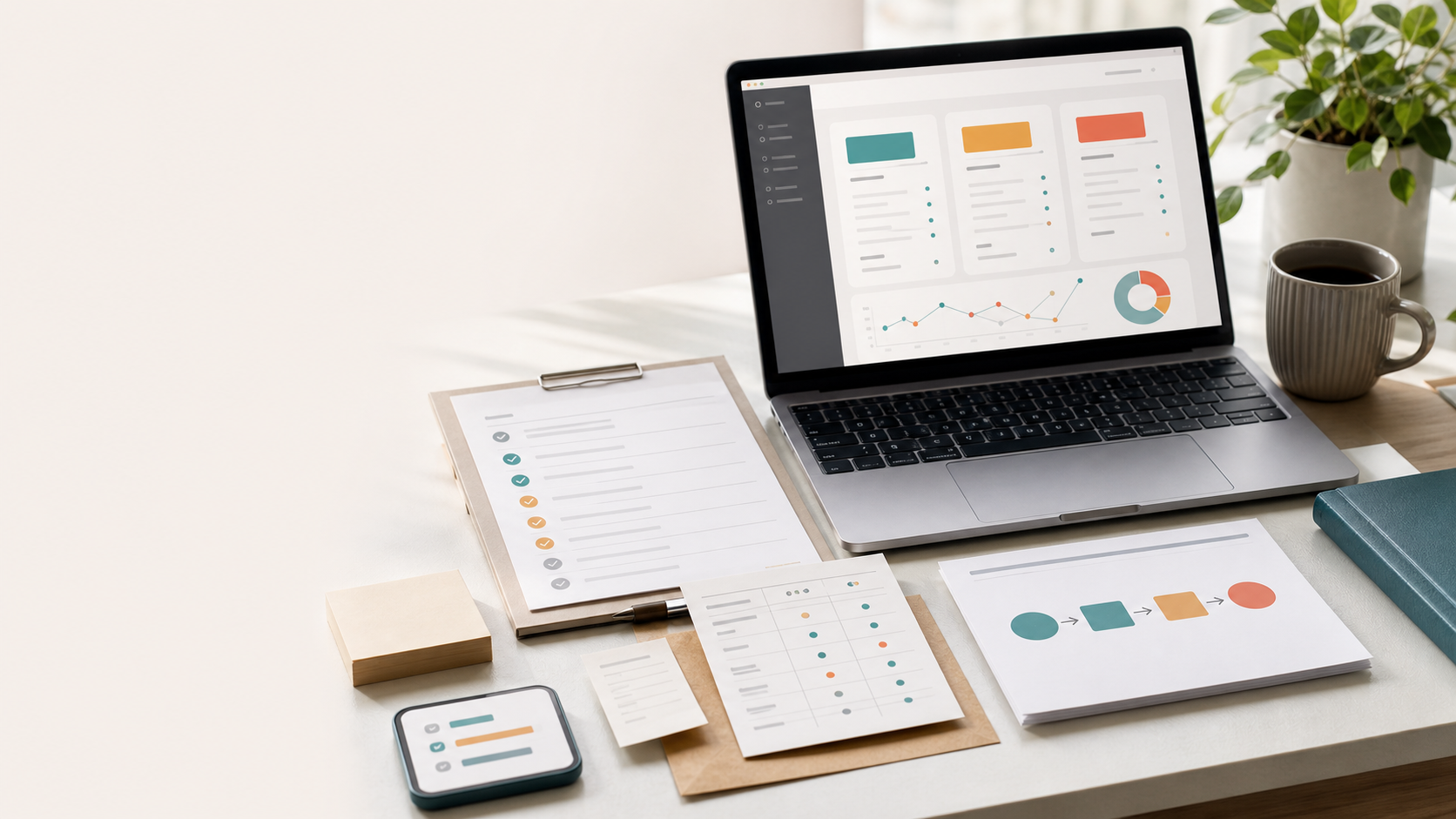
B2C purchase flow preview
Home-office and small-subscription checks come before auxiliary services.
Before spending money, the buyer should see the practical checklist path first. This preview frames the page around device fit, real total cost, return-window risk, and small subscription friction.
Device fitPorts, space, power, OSReal costCables, filters, subscriptionsReturn riskNoise, setup, cancel, export
Mini audit preview
USB-C dock | $89 sticker | $126 first year | pause until PD and return window are confirmed
The actual output turns fit, hidden cost, return risk, and the next question into one table plus a shareable memo.
Ready to request
Have four public details ready before choosing the paid audit.
Prepare the small public-safe note that makes the paid audit easy to scope and easy to skip when it is unnecessary.
Product URLThe public page for the item or subscription you are considering.
Current priceSticker price and any obvious accessory, shipping, filter, or renewal concern.
DeadlineSale ending, return window, delivery date, or renewal date that matters.
QuestionThe one uncertainty that could change buy, pause, or compare cheaper.
Example note
USB-C dock decisionProduct URL: public product page
Current price: $89
Deadline: Friday return window
Question: Will this power an M2 MacBook and HDMI monitor without extra parts?
IncludeVisible price, deadline, setup constraints, and the exact buying question.
Keep outReceipts, account access, contracts, private pricing files, addresses, and customer data.
Then chooseRequest the audit, inspect the sample, or use the free/custom path.
After the request
The $9 link request is a fit check, not a blind checkout.
The buyer should know the handoff before clicking: send public context, get a narrow yes/no fit reply, then use the paid audit only when it can change the purchase.
Product URL, price, deadline, and the buying question are enough to check fit.
If the fixed audit is wrong for the purchase, the route points to sample, free, or custom instead.
The paid path stays tied to fit, hidden cost, setup friction, return risk, or a cheaper alternative.
Buy, pause, compare cheaper, or skip the paid route next time.
Not a quote funnelNo sales call, account access, receipt upload, or private file is needed.
Not forced paymentThe free/custom route remains the honest answer when the fixed audit is too narrow or unnecessary.
Not an outcome promiseThe output sharpens the next check; it does not guarantee savings, rankings, or vendor performance.
Paid buyer packet
If the audit fits, the buyer receives a compact decision packet, not another research pile.
The paid work should feel useful after checkout and reusable on the next cart: one table, one memo, one proof to verify, and one repeatable question pattern.
The table separates compatibility, hidden cost, setup friction, return terms, and cheaper-option checks.
The memo turns the table into one sentence the buyer can use before checkout or share in a family or team thread.
The output names the specific claim, accessory, policy, or term that would change the purchase.
The buyer keeps the question pattern so the next dock, purifier, keyboard, backup tool, or small subscription starts faster.
Useful after paymentThe buyer leaves with a decision artifact, not a generic confirmation page.
Reusable laterThe pattern makes repeat use easier when the next purchase has real uncertainty.
Still boundedNo account access, private receipt archive, guaranteed savings, ranking sale, or vendor performance claim.
Before you choose
Four common doubts are handled before the final click.
Use these answers to decide whether the paid audit is worth it, whether the sample is enough, or whether a free/custom route is more honest.
Use the audit only when one missing accessory, return condition, setup detail, or recurring cost could change the decision.
Product URL, visible price, deadline, and the exact buying question are enough to start.
The output names what to verify next; it does not promise discounts, performance, rankings, traffic, or outcomes.
Inspect the filled table and memo before requesting the audit link.
One decisionBuy, pause, compare cheaper, or skip the paid audit.
One boundaryNo receipts, accounts, contracts, private files, or guaranteed outcomes.
One exitPick the path that matches this purchase and move on.
Last proof
Every final choice leaves with one useful artifact or route.
Use this last check to pick the smallest honest path before leaving the decision desk.
Paid auditTurns one uncertain cart into a filled table, decision memo, and next proof to check.
Sample firstShows output density before any product URL, deadline, or buyer note is shared.
Free or customKeeps obvious, low-risk, or out-of-scope purchases from being forced into $9.
Choose one path
Pick one next step and leave with a clear route.
Choose the paid audit, inspect the sample, or use the free/custom route when the paid scope is too much for this purchase.
Paid auditOpens the fit requestSend the public URL, price, deadline, and question; the narrow audit link comes back only when the scope fits.
Sample firstOpens the filled exampleInspect the table, memo ending, and safe handoff before sharing any product context.
Free or customOpens a no-checkout routeUse it when the purchase is obvious, low-risk, outside scope, or better handled as a public-safe request.
Paid pack
Request the $9 Home Office Purchase Audit link
Use it for a practical purchase where compatibility, hidden cost, setup time, or returns could change the buy.
$9 requestable audit link
Use whenOne missing accessory, setup gap, return condition, or recurring cost could change the buy.
Leaves withFilled audit table, decision memo, and the next proof to check before checkout.
After clickFit is confirmed first; the audit link stays narrow and public-safe.
AvoidGuaranteed savings, account review, private receipts, vendor rankings, or broad consulting.
Sample first
Inspect the sample output
Preview the filled audit table and shareable memo before sending product URLs, deadlines, or buyer notes.
No checkout required
Use whenYou need proof of output density before sending a URL or requesting the paid path.
ShowsFilled USB-C dock table, memo ending, and reusable question pattern.
After clickYou inspect the artifact before sharing any product URL or deadline.
Leaves withEnough context to request the audit, skip it, or use the free/custom route.
Free or custom
Open the free/custom alternative
Use this route when the paid audit is too narrow, too heavy, or unnecessary for the purchase.
Free or manual request
Use whenThe purchase is obvious, low risk, outside the fixed scope, or not worth a paid audit.
RouteOpen a public-safe request, ask for fit, or use a no-checkout starting point.
After clickYou avoid forcing the $9 audit when a free or custom path is more honest.
BoundaryKeep receipts, accounts, private pricing, and broad consulting requests out.
After you clickYou either see the sample, open the free/custom route, or request a narrow $9 audit link.
What to sendProduct URL, price, deadline, and the exact buying question are enough to start.
What stays outNo receipts, accounts, contracts, private pricing files, or customer data are needed.